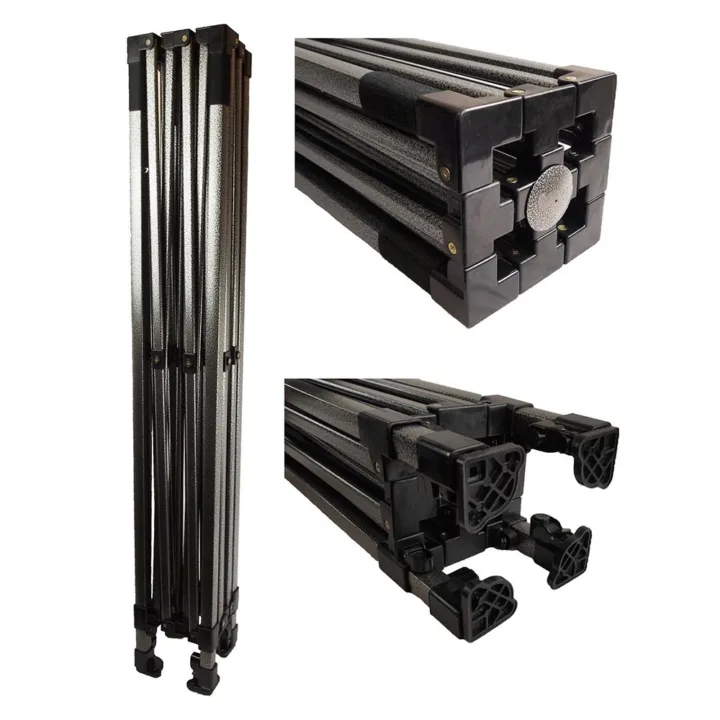
If you’re comparing pop-up gazebos, one of the biggest decisions is whether to choose a steel or aluminium frame.
No single material is automatically better for everyone. Steel and aluminium both have advantages, and the right choice depends on how often you use your gazebo, how often you transport it, where you’ll use it, and your budget.
Bulhawk offers both steel and aluminium gazebo ranges, so here’s a straightforward comparison to help you decide.
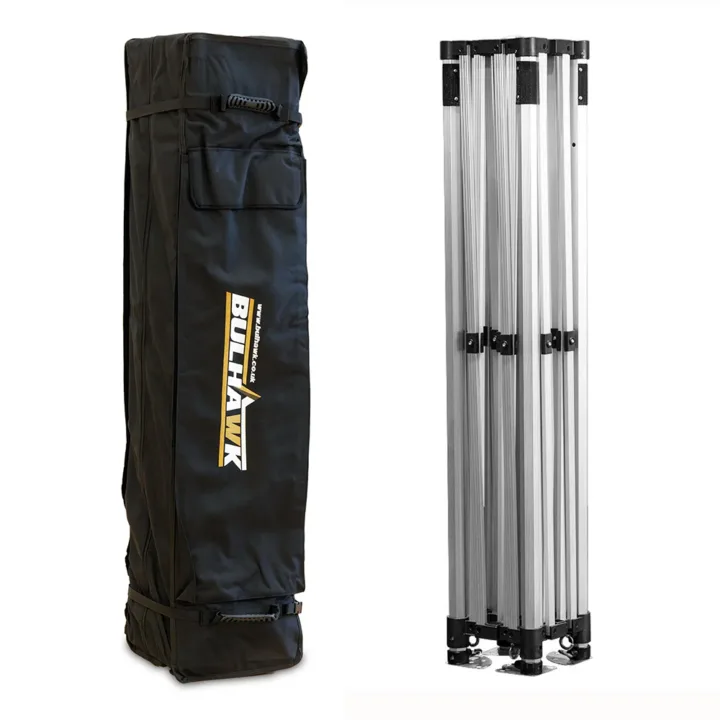
The Short Answer
Choose steel if: you want a strong, dependable frame at a lower price and portability isn’t your main concern.
Choose aluminium if: you regularly transport and set up your gazebo and want a lighter frame with good corrosion resistance.
For commercial users who set up frequently, aluminium’s weight reduction can be particularly useful. If you don’t need to move your gazebo as often, steel can offer excellent value.
However, frame material is only part of the story. The overall frame design, leg profile, cross sections, anchoring and correct setup all contribute to how a gazebo performs.
Weight and Portability
One of the clearest practical differences between steel and aluminium is weight.
Bulhawk steel ranges such as the Premium 32 and Premium Hex 40 provide a strong frame but are generally heavier to transport than a comparable aluminium frame.
That may not matter much if you use your gazebo occasionally or keep it in one place most of the time.
But imagine you’re a market trader setting up several times a week, an event company moving between venues, or a business regularly loading a gazebo into and out of a van. Over time, ease of handling becomes much more important.
Bulhawk’s Premium Plus 40 aluminium range is designed to provide a heavy-duty commercial option while reducing the weight associated with transporting and handling the frame.
So, if portability is high on your list, aluminium deserves serious consideration.
Strength and Durability
This is where it’s important not to judge a gazebo simply by whether the frame says “steel” or “aluminium”.
Frame construction matters.
The size and shape of the legs, wall thickness, joints, cross sections, and overall frame design can all affect a gazebo’s strength and durability.
For example, Bulhawk offers different frame specifications across its ranges, from the Premium 32 steel frame through to the Premium Hex 40, Premium Plus 40 aluminium and heavier-duty options.
The important question therefore isn’t simply: “Is steel stronger than aluminium?”
A more useful question is: “Which complete gazebo frame is best suited to the way I’m going to use it?”
Someone using a gazebo occasionally has very different requirements from a market trader assembling it several times every week.
What About Wind Resistance?
A heavier or stronger frame can certainly help outdoors, but frame material alone doesn’t determine whether a gazebo is suitable for windy conditions.
Correct setup and anchoring are essential.
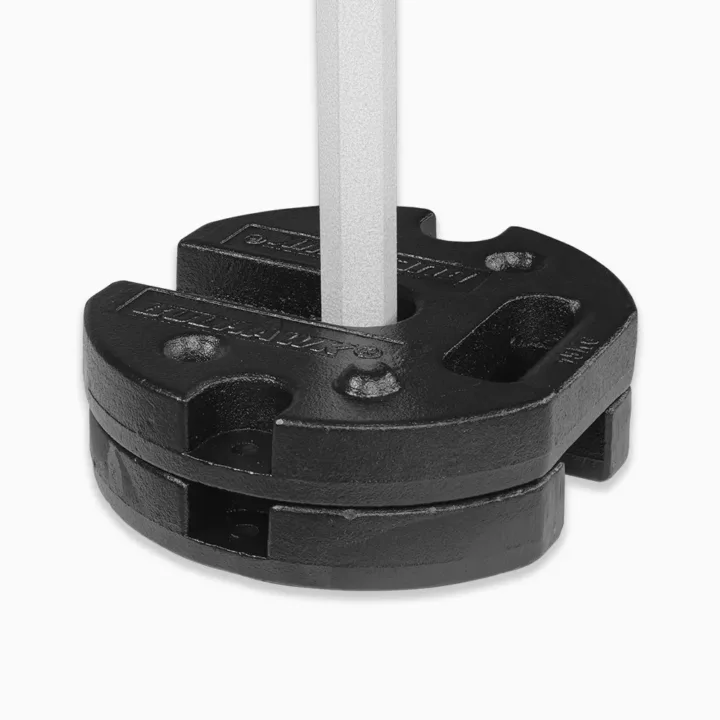
Leg weights, suitable tie-downs and appropriate anchoring for the surface can make a major difference to stability. Always erect and secure a gazebo according to the manufacturer’s instructions, and monitor weather conditions.
If you regularly operate in exposed locations, speak to Bulhawk about the most appropriate frame and anchoring options for your intended use rather than choosing solely on whether the frame is steel or aluminium.
Rust and Corrosion
Aluminium has a natural advantage when it comes to corrosion because it doesn’t rust like steel.
That can make aluminium particularly attractive if your gazebo is regularly used in damp environments or transported and stored frequently.
Steel frames can provide excellent service, but they need proper care. Avoid storing a wet frame for extended periods, and follow the recommended care and storage instructions.
If you’re operating regularly in coastal or especially humid environments, corrosion resistance may be another reason to consider aluminium.
Steel vs Aluminium Gazebo Cost
Steel is generally the more affordable option, which is one reason it continues to be a popular choice.
For buyers who want a heavy-duty gazebo without paying for aluminium’s weight-saving benefits, a steel model can offer great value.
Aluminium typically costs more, but that additional cost buys useful benefits – particularly reduced weight and corrosion resistance.
Whether that’s worth paying for depends largely on how you use your gazebo.
If you set it up occasionally, steel may be all you need.
If you’re transporting and handling your gazebo every week, paying more for a lighter frame may make much more sense over the product’s lifetime.
Steel or Aluminium: Which Is Right for You?
Your situation | Consider |
Regular use without frequent transportation | Steel – Premium 32 or Premium Hex 40 |
Regularly moving between markets or events | Aluminium – Premium Plus 40 |
Budget is a major consideration | Steel |
Portability is a priority | Aluminium |
Regular use in damp or humid environments | Aluminium |
Commercial use requiring frequent setup and pack-down | Compare the Premium Hex 40 and Premium Plus 40 |
Particularly demanding use | Speak to Bulhawk about the appropriate heavy-duty range |
The best choice isn’t necessarily the most expensive gazebo. It’s the frame that best fits the job you’re asking it to do.
Don’t Choose on Frame Material Alone
When comparing pop-up gazebos, also look at:
- Frame construction and leg profile
- Canopy material and specification
- Available sidewalls
- Gazebo size
- Anchoring and leg-weight options
- Replacement parts
- Warranty
- Frequency of use
- How often you’ll transport and assemble it
Looking at the complete specification gives you a much better indication of suitability than comparing steel and aluminium alone.
Frequently Asked Questions
Is aluminium better than steel for a gazebo frame?
Not necessarily. Aluminium is lighter and offers excellent corrosion resistance, making it attractive for frequent transportation and setup. Steel can provide a strong, cost-effective alternative when weight matters less—the overall frame design and specification matter equally as much as the material.
Which gazebo frame is best for market traders?
It depends on how frequently you trade and transport your equipment. If you’re loading, unloading and setting up several times a week, the reduced weight of an aluminium frame can be valuable. A steel frame may suit traders who prioritise value and don’t need to transport their gazebo as frequently.
Which gazebo frame is best for windy conditions?
Don’t choose a gazebo for windy conditions based on frame material alone—overall construction, frame specification and – critically – correct anchoring all matter. For exposed locations, discuss your requirements with Bulhawk and make sure the gazebo is secured appropriately for the conditions.
Does a steel gazebo frame rust?
Steel can be susceptible to corrosion if its protective finish becomes damaged or if it is repeatedly stored wet. Correct drying, storage and maintenance can help protect the frame.
Is aluminium easier to transport?
Generally, yes. One of aluminium’s main advantages is its lower weight than steel, rendering it especially attractive to businesses, market traders, and event operators who regularly transport their gazebos.
Should I buy a steel or aluminium pop-up gazebo?
If value and robust construction are your priorities and you don’t transport the gazebo frequently, start by looking at Bulhawk’s steel ranges. If portability and corrosion resistance matter most, compare the aluminium ranges.
Still not sure which frame is right for you?
Explore Bulhawk’s range of heavy-duty pop-up gazebos, or speak to the team about how and where you’ll be using your gazebo. We can help you compare available frame sizes, materials, and specifications, and choose the most suitable option.